Collective Care in the Black Metropolis: From Kitchenette Living to the Public Housing Fight
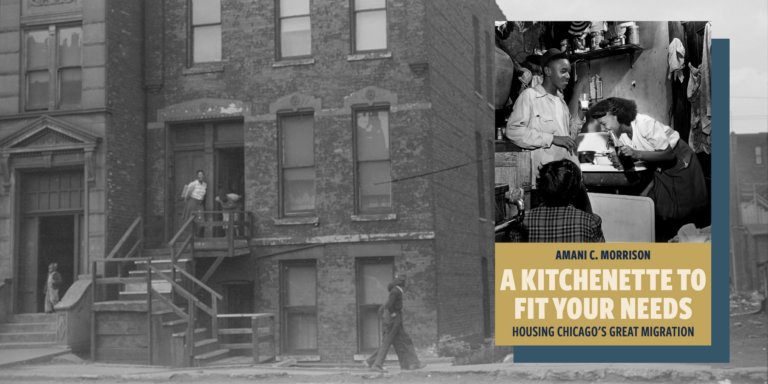
Join us for a conversation with cultural historian Amani Morrison on her new book, A Kitchenette to Fit Your Needs: Housing Chicago’s Great Migration.

Select artifacts and photos captured during the planning of History Lessons, alongside materials collected for an installation by Lydia Cheshewalla.
National Public Housing Museum, 919 S. Ada Street, Chicago, IL 60607
Join artist Lydia Cheshewalla, poet Elise Paschen, and members of the Osage Nation to celebrate the opening of Cheshewalla’s ephemeral art installation Our Stories, Like Roots in Soil as well as captivating new stories and objects in the History Lessons exhibition at the National Public Housing Museum.
During the opening, join Cheshewalla and Paschen—both enrolled members of Osage Nation—for a conversation about the power of place, memory, and how their art and poetry practice helps to support a reciprocal relationship with the land and history.
For the installation Our Stories, Like Roots in Soil, Cheshewalla collaborated with local youth and public housing residents to gather natural and other materials from the land where the Jane Addams Homes was located. At the end of the installation, these materials will be returned to the place in nature where they were gathered, closing the circle of creation.
Opening at the same time, a new iteration of History Lessons features objects from members of the Osage community in Oklahoma, who worked with acclaimed poet Paschen to tell their stories of home in tribal housing.
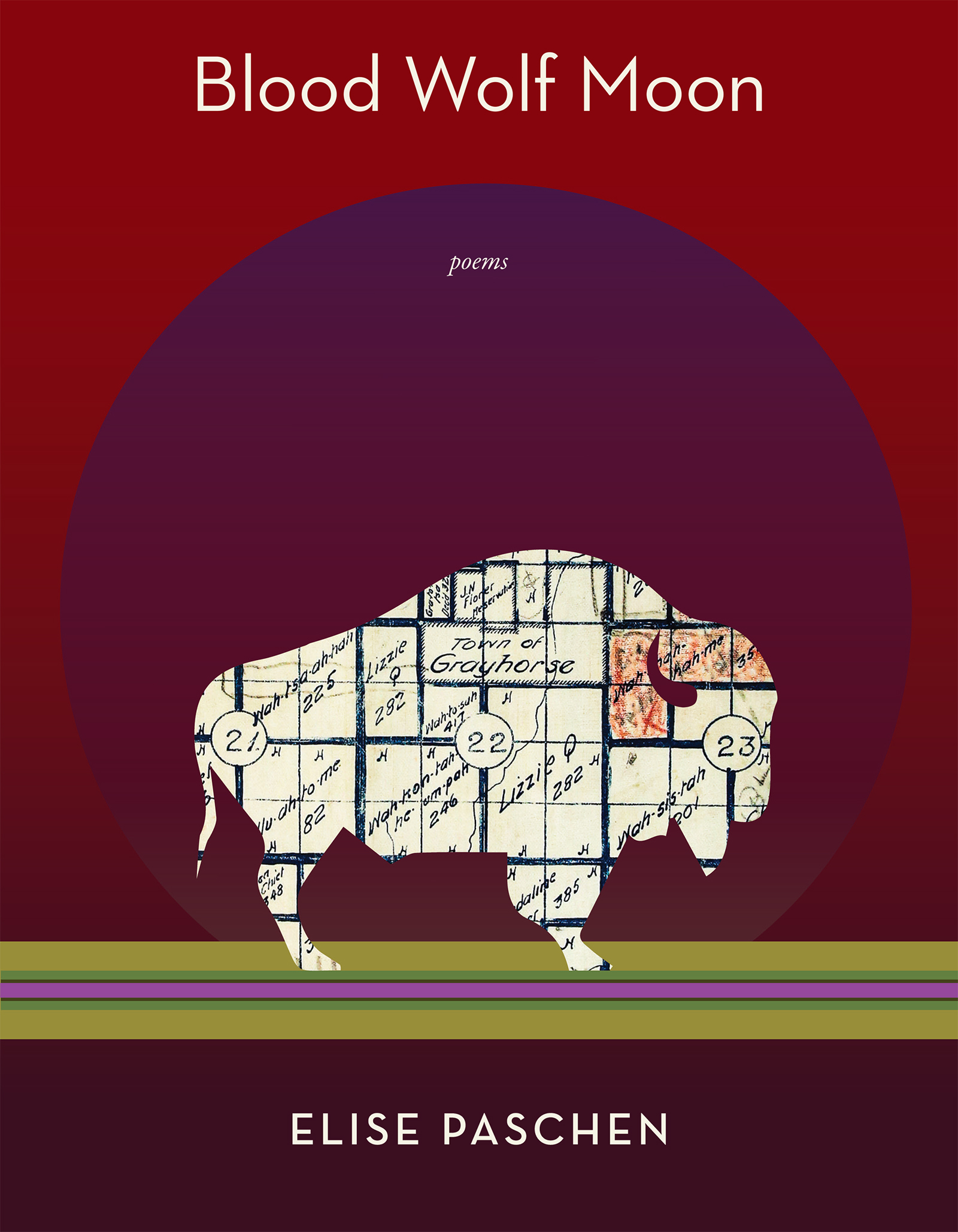
During the conversation, Paschen will read from her riveting sixth poetry collection, Blood Wolf Moon, which explores the storylines of her Osage heritage. The core of the book grapples with a dark period of American history, “The Reign of Terror,” when outsiders murdered individual members of the Osage for their oil headrights.
A book signing will follow, with copies of Tallchief and Blood Wolf Moon available for purchase in the museum shop.
FREE, open to all. Light bites and refreshments included—please register in advance so we can plan accordingly!
An intimate Osage dinner
Following the public opening reception and talk, the museum will host an intimate dinner with Indigenous specialities prepared by chefs from Osage Nation. Space is very limited, and tickets are $150 per person to raise funds for the museum.
For additional information and to get your tickets to the dinner, please contact Colleen McGaughey, director of development, at [email protected].
Support
Lydia Cheshewalla: Our Stories, Like Roots in Soil was made possible by generous support from Laurel Appell Lipkin, Madeleine Grynsztejn and Tom Shapiro, Mirja Spooner Haffner, Inspire Nous 3 LLC, Good Chaos, and the Poetry Foundation.
This iteration of the History Lessons was made possible in part by the Institute of Museum and Library Services.

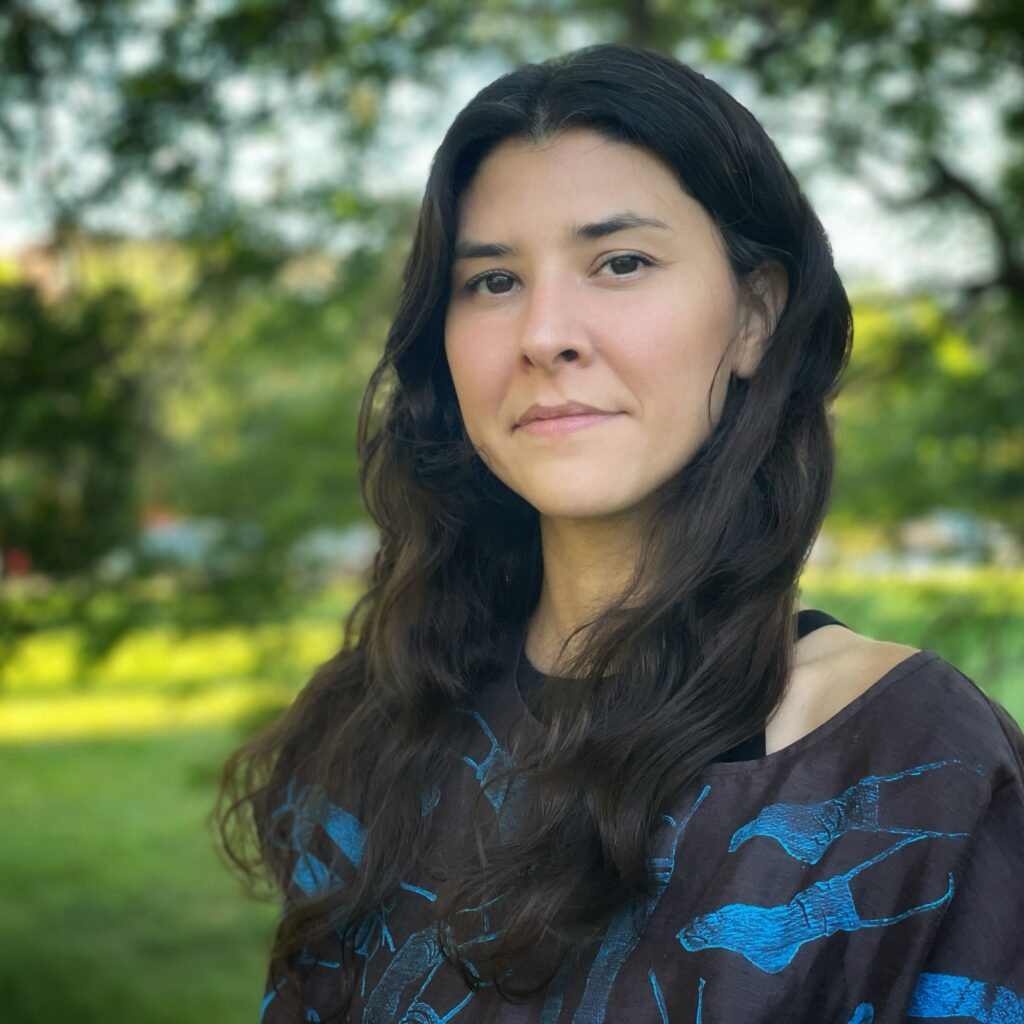
Elise Paschen, an enrolled member of the Osage Nation, is the author of six poetry collections, most recently, Blood Wolf Moon (winner of the Foreword Indie Book of the Year Award in Poetry and the Oklahoma Book Award in Poetry). Her poems have been published widely, including Poetry Magazine, The New Yorker, and The Best American Poetry. Elise’s poem, “Wi’-gi-e,” was credited as inspiration for the title of the non-fiction book, Killers of the Flower Moon. She has edited or co-edited numerous anthologies, including The Eloquent Poem and The New York Times best-seller, Poetry Speaks. Former Executive Director of the Poetry Society of America, she is a co-founder of Poetry in Motion, a nationwide program that places poetry posters in subway cars and buses. Dr. Paschen teaches in the MFA Writing Program at the School of the Art Institute of Chicago.
Photo by Beowulf Sheehan
Lyda Cheshewalla is an Osage ephemeral artist from Oklahoma, living and working in motion throughout the Great Plains ecoregion. Through the creation of site-specific land art and ephemeral installations grounded in Indigenous land stewardship practices and kinship pedagogies, Lydia engages in multivocal conversations about place and relationship. Her work has been shown at Generator Space, the Union for Contemporary Art (Omaha, NE), Comfort Station, Harold Washington Library, the Center for Native Futures, Elmhurst Art Museum, and Brushwood Center (Chicago, IL) among others. She is currently filling the bucket with water to see if it leaks and is often found standing in fields.
The talk is moderated by Lisa Yun Lee, Executive Director and Chief Curator of the National Public Housing Museum.
Header image, clockwise from top left: Tie slide of George Tallchief; brick from 1433 South Loomis, signed by residents; a workshop participant holds up her History Lessons object; Beaver hat of James Bigheart; Lydia Cheshewalla sorts through materials gathered for an installation; plants gathered from the former site of the Jane Addams Homes; vintage photo of George Tallchief; and paint chips preserved from the Jane Addams Homes.
Join us for a conversation with cultural historian Amani Morrison on her new book, A Kitchenette to Fit Your Needs: Housing Chicago’s Great Migration.