History Lessons: Osage Nation
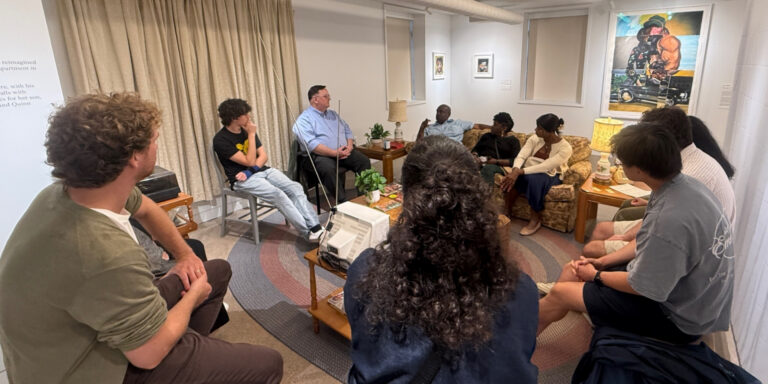
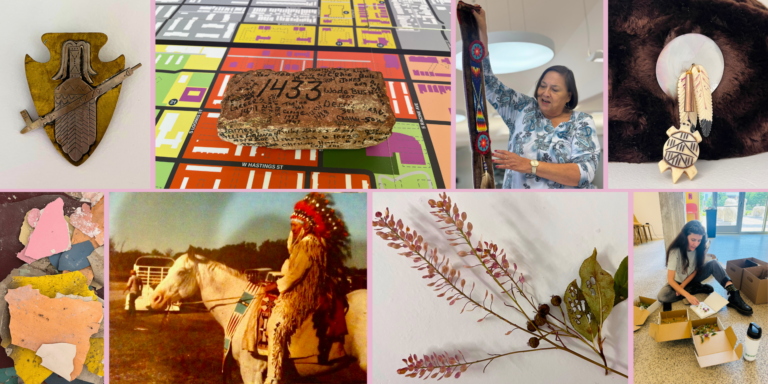
Join artist Lydia Cheshewalla, poet Elise Paschen, and members of the Osage Nation for an exhibition opening reception and conversation.
–
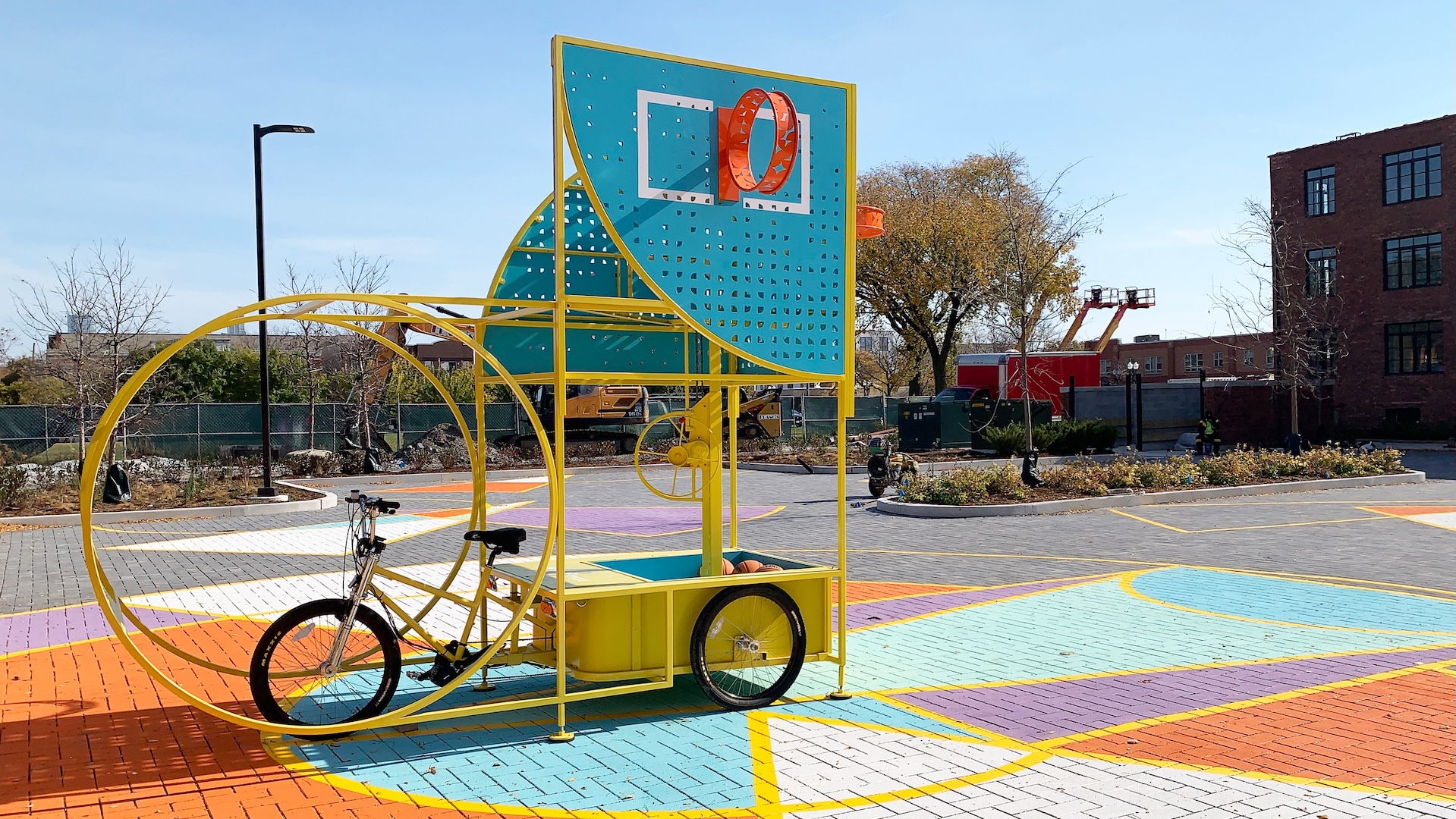
The HOOPcycle was created by artist Marisa Morán Jahn and architect Rafi Segal. Commissioned by National Public Housing Museum. Photo by Marisa Morán Jahn, 2024.
Museum of Contemporary Art Chicago, 220 E Chicago Ave, Chicago IL 60611
Conceptualized by artist Marisa Morán Jahn and architect Rafi Segal, HOOPcycle explores the intersections of recreational equity, cultural heritage, and public space. Drawing inspiration from both contemporary basketball and its ancient pre-Columbian ancestor, HOOPcycle combines a reinterpreted vertical hoop with a tricycle-mounted design, offering a reimagined sports experience that challenges norms and unites communities through play.
This activity is presented in partnership with the Museum of Contemporary Art Chicago as part of Family Day | Playoffs on opening weekend of Paul Pfeiffer: Prologue to the Story of the Birth of Freedom.
ASL interpretation is provided.
For registration questions, accessibility accommodations, group reservations, or other visitor experience services, please contact the MCA directly.