

Nathaniel Mary Quinn: A Love Letter to My Mother
Nathaniel Mary Quinn’s first solo museum show in Chicago features works on canvas and paper alongside a recreated Robert Taylor Homes living room.
Located in the last remaining building of the historic Jane Addams Homes, our museum is committed to preserving the profound legacy of public housing and fostering a nuanced understanding of its impact on communities.
Admission is free, with tickets required for the Historic Apartment Tours.
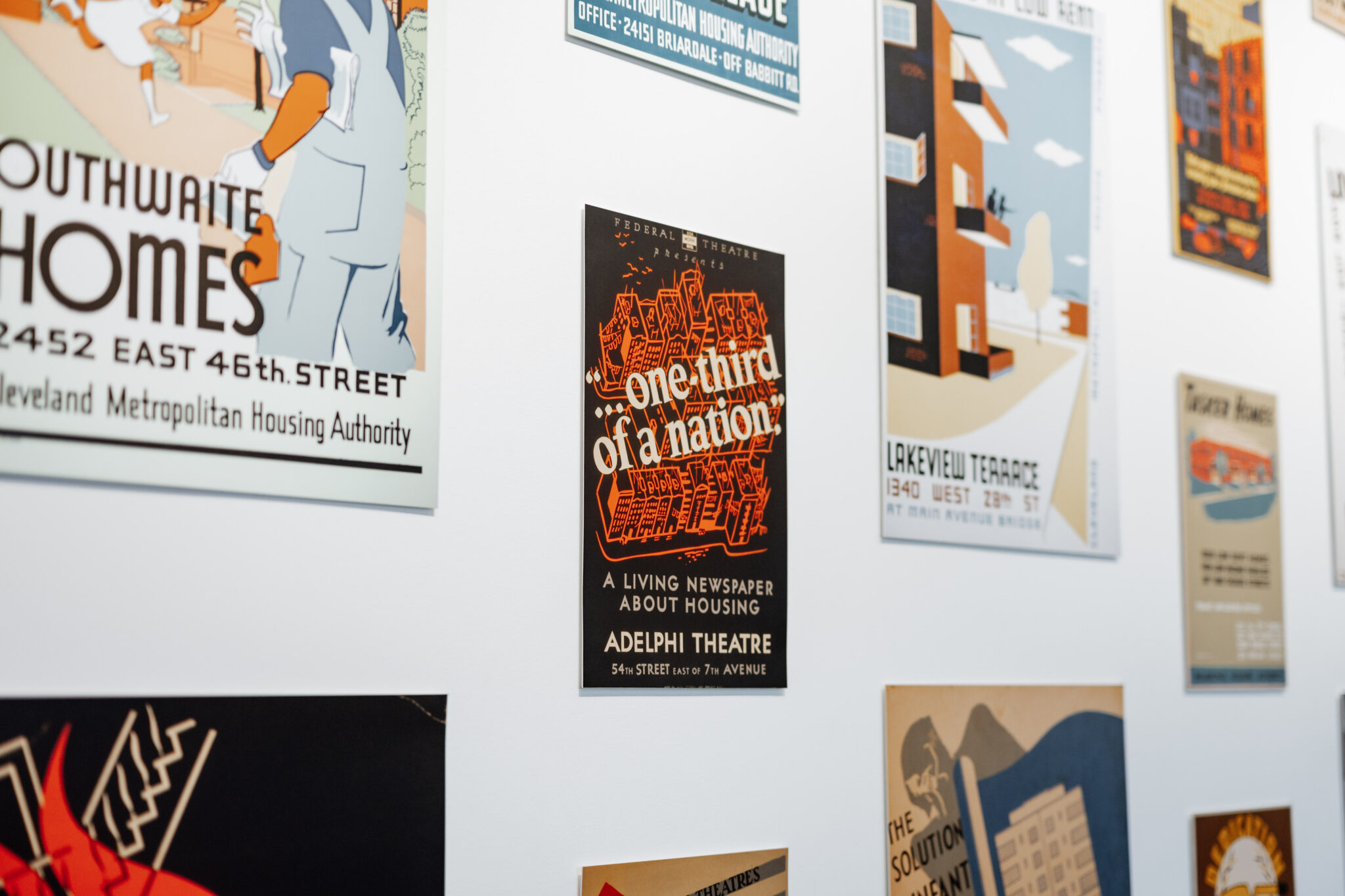
Public housing posters from the WPA. Photo by Joe Nolasco.
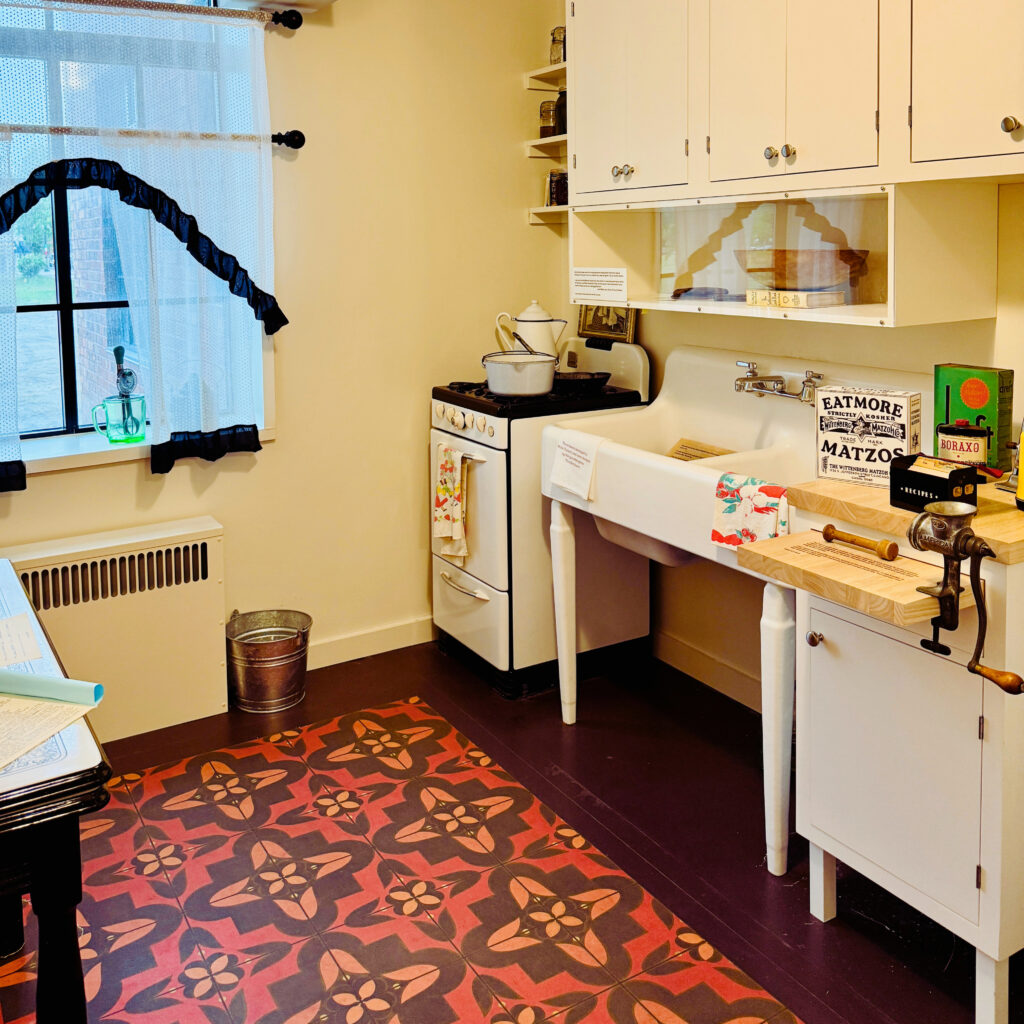
Experience the texture and fabric of public housing throughout time by visiting three recreated historic apartments showcasing different families’ experiences at different moments in public housing history between 1938 and 1975.
Timed tickets required.
Nathaniel Mary Quinn’s first solo museum show in Chicago features works on canvas and paper alongside a recreated Robert Taylor Homes living room.
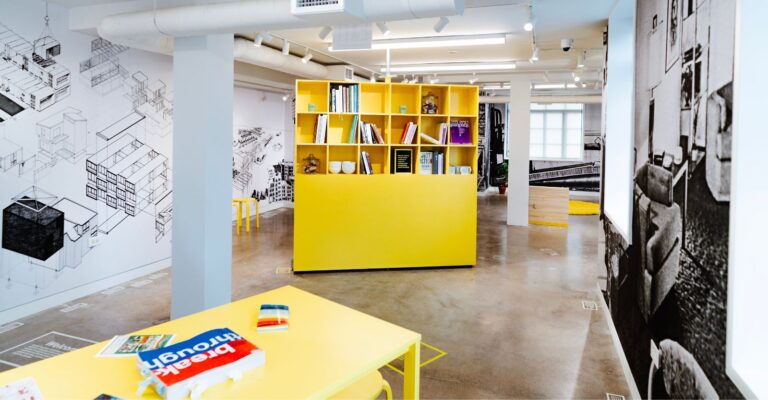
This immersive exhibition blends historical documentation of HUD’s Operation Breakthrough from the 1970s with new prototypes for urban living from The Housing Futures Initiative.
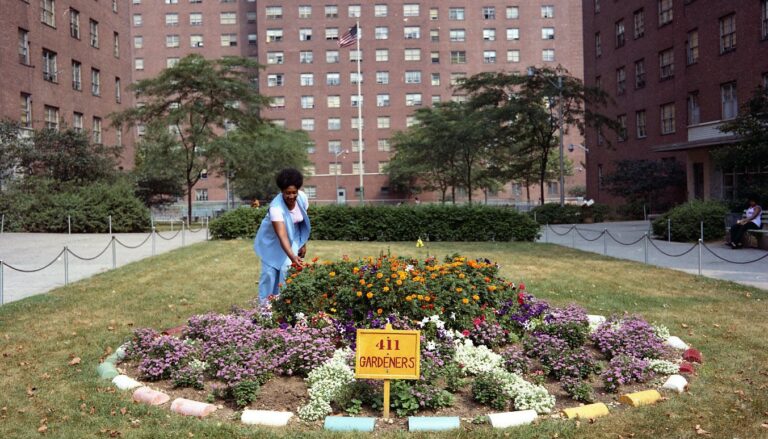
Explore the role of open space—large lawns and tenant gardens, paved paths and play spaces, shady seating areas and public art—in creating more livable, healthy, and thriving communities.
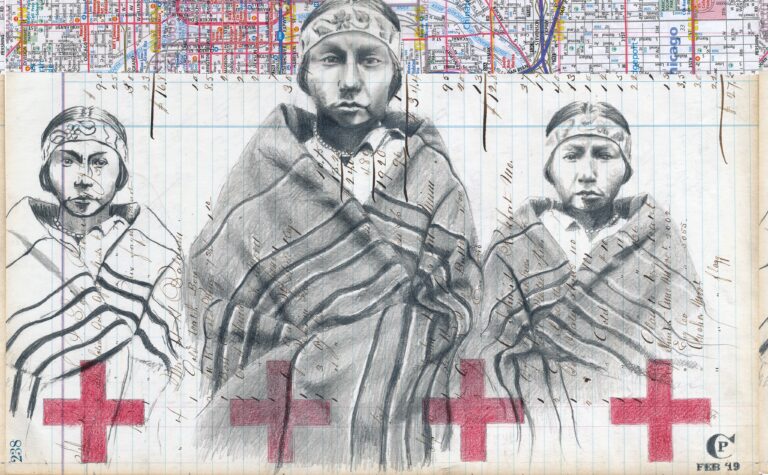
Still Here uses art, archives, and public dialogue to explore and connect histories of displacement on the land where the National Public Housing Museum is located. As an institution that addresses displacement of public housing residents, we also want to understand the forcible removal of Indigenous peoples that came before and grapple with how those experiences are interwoven…